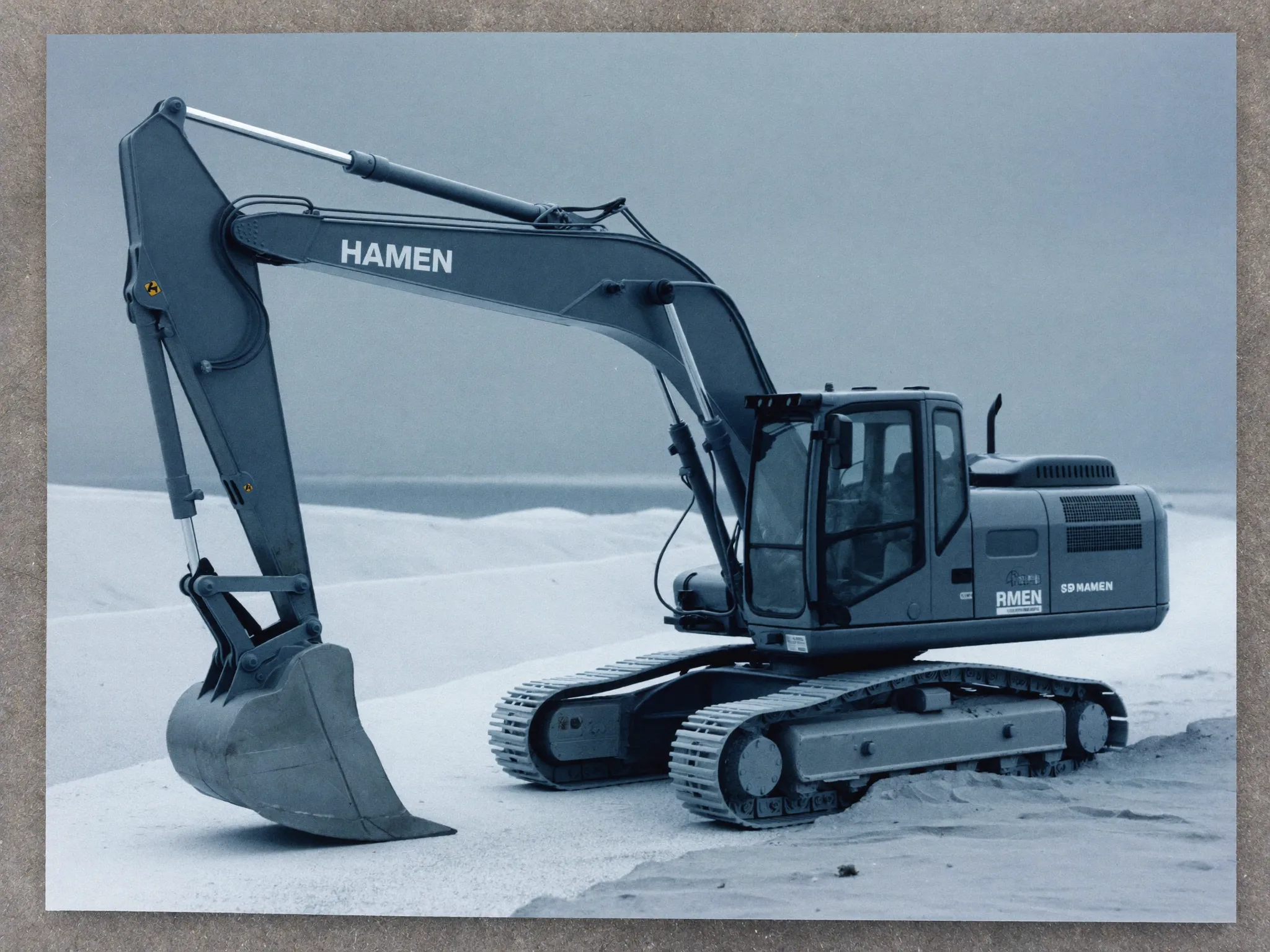
When a fleet has to be sold, we run the sale.
Appraisal refresh, listing through partner channels, buyer vetting, settlement. For lenders in enforcement and for operators retiring a fleet. A service, not a marketplace.
Paste a listing. Get a price you can defend.
The VIN tells the truth about the spec. The photos show what the seller did not write. A repair table turns each finding into money, and the wear items due at this mileage become a reserve. The bid is the value curve less both. Class 8 tractors first; other classes follow the same shape.
Pulls the title, text and photos. Sites that block readers fall back to paste.
Drop photos here, or click to choose. Pulled listings add theirs.
Spec
What the listing says, checked against the VIN.
Photos
Each pin is a finding. Click one to see it in the list.
Findings
What the photos show, priced from the repair table.
Due at this mileage
Wear items the photos cannot show. Each one is a question for the seller and a reserve in the bid.
Price
Value on the curve for this age and mileage, less repairs, less the reserve for what is due. Paste sold results to replace the curve.
Assumptions and sources
Three reasons a fleet goes to sale. One of them is a default.
Enforcement
After cure and recompute
A covenant trips, the cure period passes, the borrowing base is recomputed and the shortfall is not paid. Only then does the lender instruct a sale. The desk sells the scheduled units and nothing else, so the recovery stays orderly and the deficiency as small as possible.
Fleet retirement
End of useful life for you
A cluster that no longer earns its power bill still has buyers. The desk refreshes the appraisal, prices against the resale book, and sells before the residual curve drops another step.
Upgrade cycle
Old units out, new units in
Selling the H100s to fund the B200s. Where the old units are pledged, the desk coordinates the release with the lender and the substitution of collateral under the existing loan.
Four steps. The same appraisal that priced the loan prices the sale.
Step 1
Appraisal refresh
The serial schedule is revalued against the current resale book. Condition is read from the last telemetry: hours, firmware, location, faults. A reserve price per unit.
UsStep 2
Listing
Through partner auctioneers and brokers for the class. Private treaty where a fleet sells better whole.
Us and partnersStep 3
Buyer vetting
Identity, source of funds, sanctions and export checks on every buyer. For GPUs, export rules decide who may buy. For ships, the flag state decides.
UsStep 4
Settlement
Funds to the lender first, surplus to the owner. Lien release, title transfer, deregistration of monitoring. A closing statement in the data room.
Us and lender