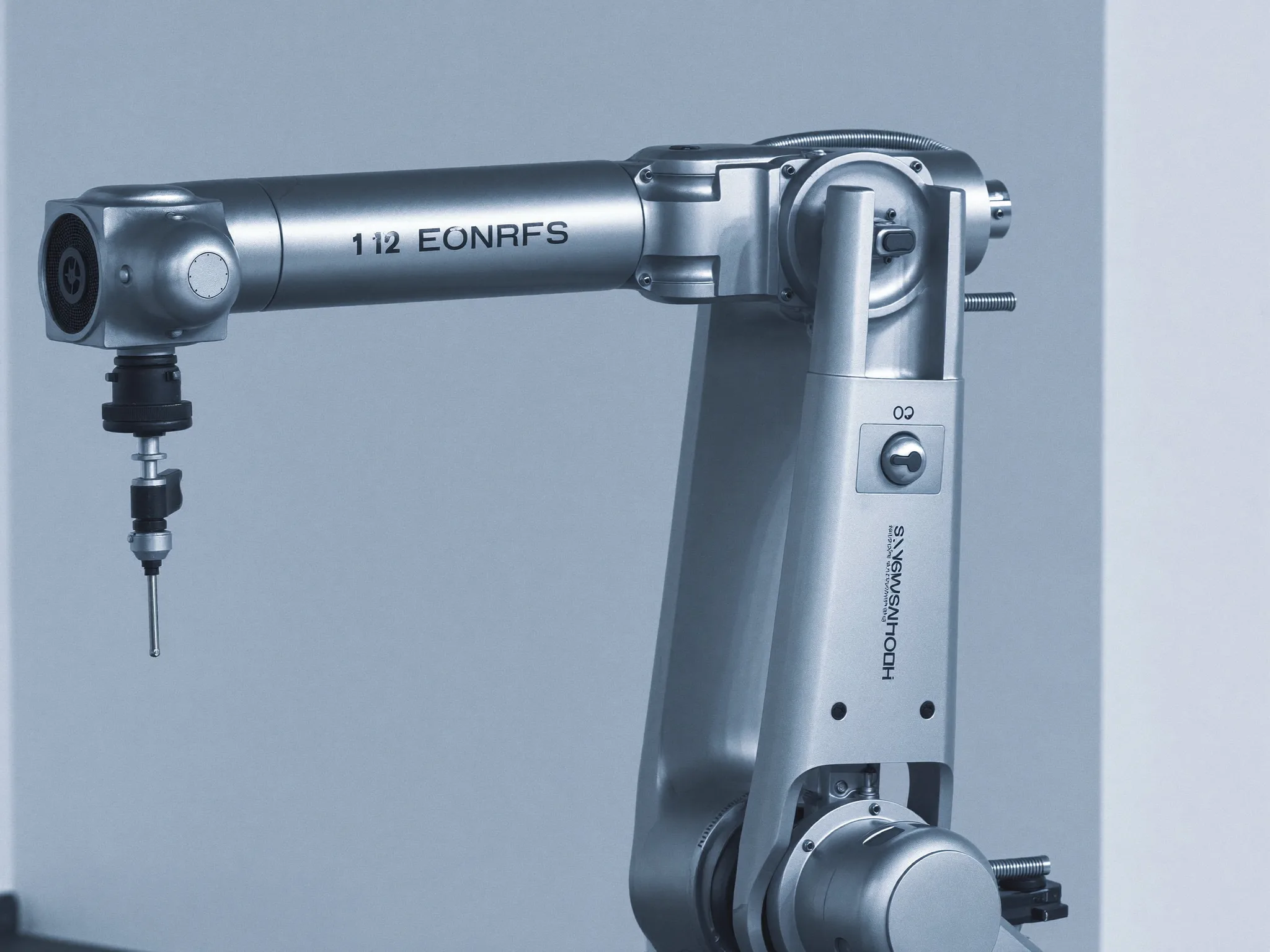
A robot fleet is collateral. Most lenders have never seen one.
Industrial arms, cobots and autonomous mobile robots appraised per unit, monitored from the controller log, and placed with lenders who will lend on automation. Pre-qualification accepted now, with the open fields stated below.
The lender sets the advance, rate and term after the appraisal. Your report shows an indicative range. Pre-qualification takes longer while this class is in underwriting.
Eligible, and not. Stated before you send a serial list.
Eligible
Six axis industrial arms
From major OEMs, five years old or newer, in a fixed workcell.
Cobots and AMRs
Collaborative arms and autonomous mobile robots with a resale market.
Serials on file
Every unit with a serial, an invoice and a workcell or site position.
Fleets of ten units or more
Smaller fleets are considered, usually at a lower advance.
A controller log we can read
Speed, payload, envelope, software version, exported read only.
Not eligible
Prototypes and pre-production units
No resale book, no residual curve.
Humanoids
Not yet. There is no secondary market to appraise against.
Robots under RaaS where title is with the OEM
Unless the OEM assigns its interest to the lender.
End effectors and tooling alone
Grippers, vision and fixtures are valued with the arm, not on their own.
Units without a controller log
If the monitor cannot see it, the advance is the ordinary one.
Orderly liquidation value, per unit, every quarter.
We appraise at orderly liquidation value per unit, from OEM refurbished price lists, used automation dealers and auction results for the same model, payload class and age. Controller generation matters more than year.
The residual curve for arms is drawn from a thinner book than GPUs, so we say so, and the lender floor sits further below OLV. That is why the advance for robots is lower today. As the book fills, the curve tightens and the advance moves up.
Per unit readout
Illustrative
Illustrative. Six axis arm, 20 kg payload, three years old. Not a quote.
What we monitor, and why it raises your advance.
The controller already logs what a lender needs to know. We read it, monthly, and turn it into covenants the lender can trust. A fleet that is running inside its envelope at its registered site is worth more to a lender than one they have to take on faith.
Speed and cycle count
Wear and utilisation per arm.
Workcell envelope
The unit is operating where it was installed.
Payload
Running inside rated load. Overload shortens residual life.
Release location
For AMRs and pick cells, where the unit works and parks.
Software version
Controller firmware matches the schedule.
Fault codes and uptime
Early sign of a unit that will need a rebuild.
What a breach does
A unit leaves its registered site, runs over rated payload for a sustained period, or goes quiet. You and the lender get the same notice, the same day. Then a cure period: move it back, bring it inside the envelope, or substitute an eligible unit. If it is not cured, the borrowing base is recomputed on the remaining units. It is designed to end in a partial paydown, not a default.
Every document, one room, versioned.
The first six documents are the GPU set. The robot specific items are being written. The data room is coming.
Borrowing base certificate
Eligible units, OLV, advance, facility. Recomputed every quarter.
Compliance certificate
Covenant status from the controller log, signed by you each month.
Insurance certificate request
Sent to your broker. Lender named as loss payee.
Serial list
Model, serial, controller, workcell, site, invoice date.
ACORD 25
Certificate of liability insurance, returned by your broker.
Lien search
UCC search in your state of organisation before filing.
Controller log consent
Your written consent for the read only export, class specific.
Workcell site schedule
Where each unit is installed, with the landlord waiver where it applies.
OEM warranty assignment
Where the OEM warranty can be assigned to the lender.
Appraisal summary
IllustrativeIllustrative. No robot loan has closed yet. The lender sets the advance, rate, term and fees.
The risk profile a lender reads first.
The robotics risk profile is in preparation at Safewaterline Intelligence: resale values by model and payload class, a residual curve for arms and AMRs, and lien activity. It is published before the first robot loan closes, because the profile is what brings the lender.
What is still open for this class.
Eligibility rules and the monitoring source are set. The robot monitor demo runs. Four of the six fields a class needs before it goes live are still open. A class goes live when all six are filled: eligibility, residual curve, monitoring source, docket set, risk profile, and a lender in the network. Until then, pre-qualification runs at the longer turnaround.
Residual curve
Drawn from OEM refurb lists and dealer sales.
Docket set
Six GPU documents plus three robot specific items, being written.
Risk profile
In preparation at Intelligence.
Lender in network
Being arranged.
Our robots are deployed at customer sites, not ours.
That is the usual case for robotics startups. Each site is registered, the customer signs an access letter, and the monitor reads release location so the lender knows where every unit is.
We sell robots as a service. Can we borrow against the fleet?
Yes, if you hold title. The RaaS contracts are the cash flow and the robots are the collateral. If the OEM holds title under a lease, we need its assignment.
What does the monitor see?
Speed, envelope, payload, release location, software version, fault codes. Not your customers, not the parts being handled, not video. You and the lender see it. Nobody else.
Why is the advance lower than GPUs?
The resale book is thinner. Fewer closed trades means a wider gap between OLV and the lender floor. The gap is the lender's cushion, so the advance is lower. It rises as the book fills.
How long does pre-qualification take while you are in underwriting?
Longer than for GPUs, because the class is still in underwriting. You get the appraisal report and an indicative range. The open fields on this page say what is still being built.
Send the serial list. The appraisal report is yours either way.
Pre-qualification takes longer while this class is in underwriting. Nothing is owed until a loan closes.